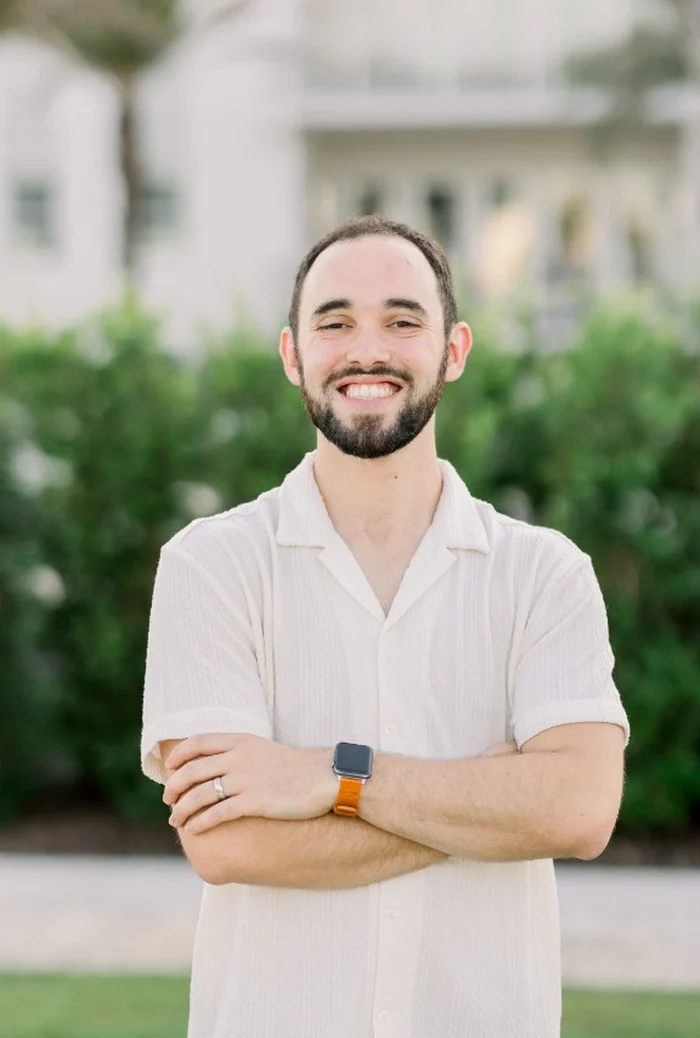
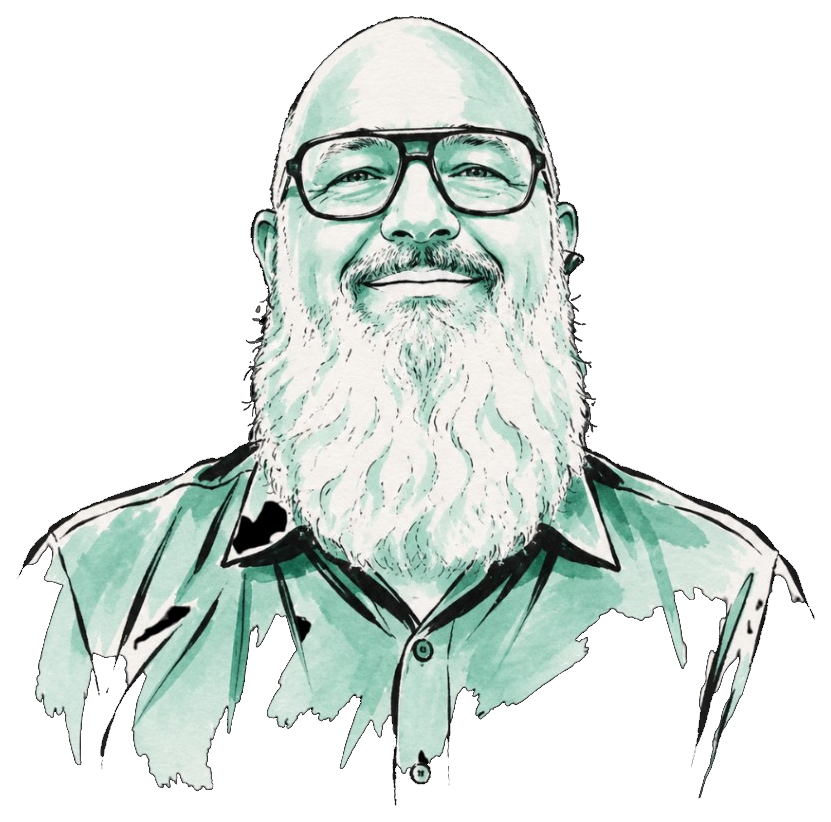
Daniel Kaufman planned a restful finish to a 30-year career in accounting. Then his best friend's son came to work for him, and everything changed.
Daniel Kaufman counts his career in tax seasons. The one coming up will be his 30th, and he spent 15 of them as a partner at accounting firms.
The last of those firms had about 70 people, and he was one of its four equity partners. He had landed there when his old firm merged in as his former partner's retirement plan, and it somehow never fit.
"I wasn't planning on growing. I didn't have the energy to do it."
.png)
Rank never mattered much to Daniel. If work needed doing, he did it, because the client was waiting. What wore him down was everything around the work: partners with competing egos, and staff who always had a reason not to do things the way he asked. By the end, he was mostly hoping to make it through each busy season in one piece.
So he negotiated his way out, taking a list of clients home and making himself two promises: no partners, no employees. What came next was, in Daniel’s words, the bottom third of his career. The plan was to look after those clients for 15 or 20 years, let a few drift away as they sold or closed, and take on new ones only when they came looking. “I wasn’t planning on growing,” he says. “I didn’t have the energy to do it.”
The first crack in the plan was family, more or less. Daniel and his best friend have known each other since they were seven. Toward the end of 2025, his friend's son Nick was finishing college with a general business degree and one class left. He asked if he could work for Daniel. Daniel calls Nick his nephew and started him on admin work.
.jpg)
Nick had what Daniel calls "an incredible work ethic and the ability to learn how things work," and it showed, once Aqqrue came into the firm's month-end. Daniel knew what should go in and what should come out, and Nick could turn that into instructions the software would follow. Together, they made advisory work that had always been custom repeatable, and Nick now runs it.
It changed how Daniel thinks about hiring. "I can have non-accountants now," he says. "They just need to know the order in which the tasks are run."
Falling for accounting again
The bigger change was in Daniel himself. He says he always loved accounting, but for years, he simply forgot that he did. The feeling got buried under increasingly complex tax work, and under decades of talking clients out of risky advice they'd picked up on Instagram and TikTok. What he truly loves is the part that has nothing to do with deadlines: sitting across from a business owner and helping them finally understand their own numbers. "Not just delivering good accounting, but helping clients succeed," he says. "That's what gets me out of bed in the morning." He jokes that after retiring he should record accounting lectures for insomniacs. But talking about it clearly lights him up, and he gets to do much more of it now.
"I jumped out of the plane without knowing if there was a parachute in my backpack. Turns out there was."
-1.png)
"I think I've become less jaded with accounting since Aqqrue," he says. Now that the rules-based work runs on its own, there's room for the conversations. He keeps even small clients on accrual books. He once watched a client who refused accrual sell his company and sit through a much longer due diligence because of it. He also offers advisory all year, not just after April. "If I do my job right," he tells clients, "you're going to pay way more taxes than you ever did, because you're going to be way more profitable."
Asked whether this feels like the top third of his career, he pushes back. In the top third, he says, he didn't know anything. This feels more like the middle: he knows enough to give good service and has the energy to give it. He still works weekends, but now it's a choice. "I could sit and watch TV, or take a nap, but that's boring."
"I think I've become less jaded with accounting since Aqqrue".
The ambition has changed too. The man who once just wanted to get through his practice without a health crisis now talks about legacy. “They're family," he says of his nephews, "so I might as well be able to help them live the life they want to live.”
He sums up the leap like this: "I jumped out of the plane without knowing if there was a parachute in my backpack. Turns out there was."